




Overview
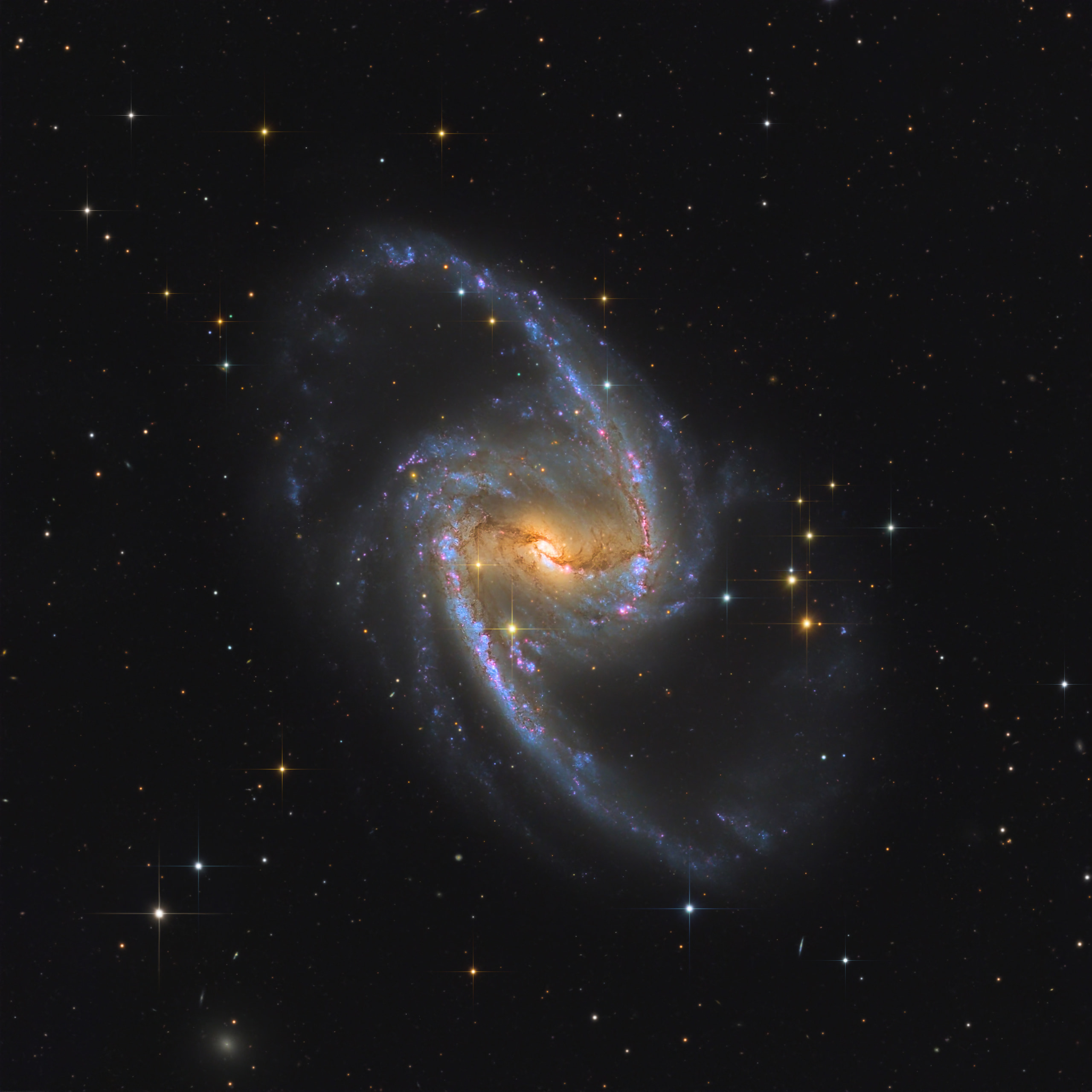
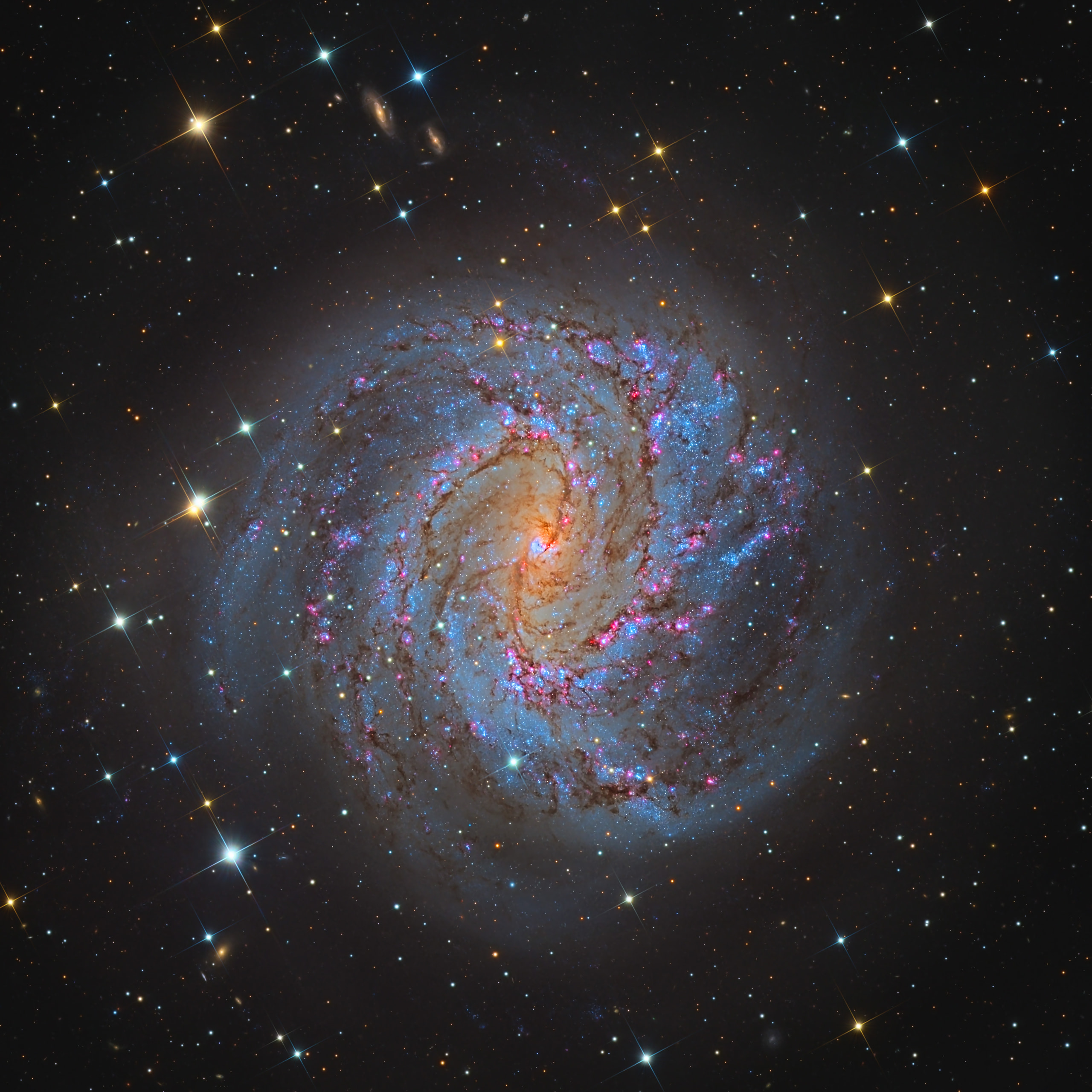
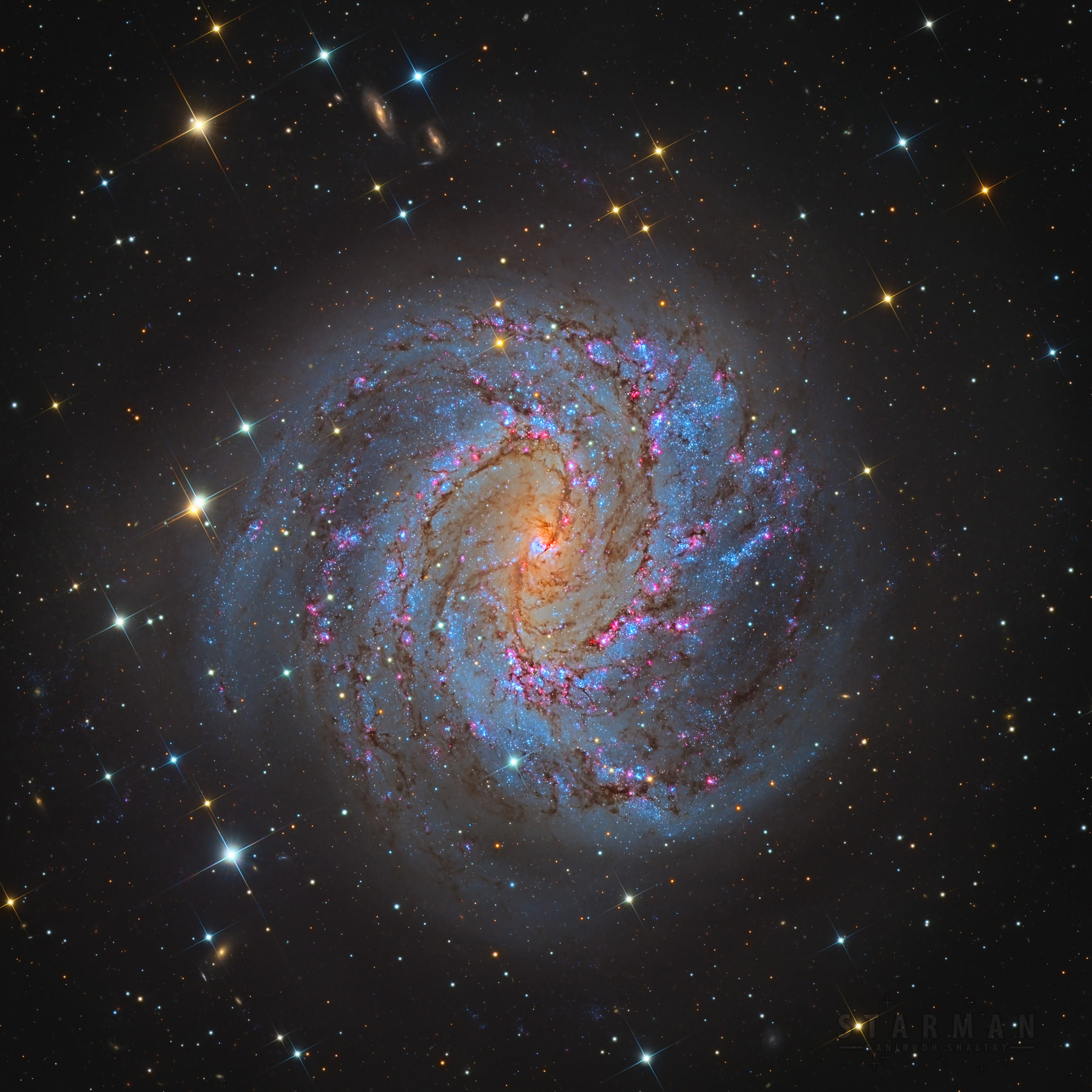
M83 is one of the great spiral galaxies of the southern sky: a vast, luminous storm of stars, dust, and hydrogen light, rotating in Hydra some 15 million light-years away. Its golden core burns through a veil of tangled dust lanes, while blue stellar nurseries and rose-colored HII regions trace the spiral arms like embers caught in a cosmic whirlpool.
This image marks a special milestone for me: first serious light from my PlaneWave CDK600 system after its migration from Sierra Remote Observatories in California to Obstech, high in the Chilean Andes. It now sits beside my CDK500 system under the southern sky — the larger brother joining the smaller one after a long journey of planning, shipping, installation, debugging, and reacquaintance with the stars.
What drew me deeply into this rendition is the balance between scale and restraint. M83 is bright, intricate, and deceptively difficult: the temptation is to force it, to let aperture or signal become a blunt instrument. But at these focal lengths, the atmosphere is often the final lens. Having both telescopes next to each other has dawned this upon me: Resolution is not simply purchased in glass and metal; it is earned in seeing, sampling, focus, collimation, tracking, and the discipline to let the data speak without shouting over it.
Here, the galaxy resolves into a living structure: dust lanes braided into the core, knots of star formation scattered across the arms, faint outer extensions dissolving into the surrounding field, and small background galaxies quietly suspended beyond it. The Southern Pinwheel feels less like a static object and more like a weather system of creation — a celestial cyclone turning slowly through deep time.